Our impact
The AVN program generates major social, environmental and economic impacts that contribute to the sustainable development of Sahelian communities. Each action is measured through a rigorous monitoring and evaluation system, enabling us to observe changes in the NV market and adapt our actions to local needs.
Social impact
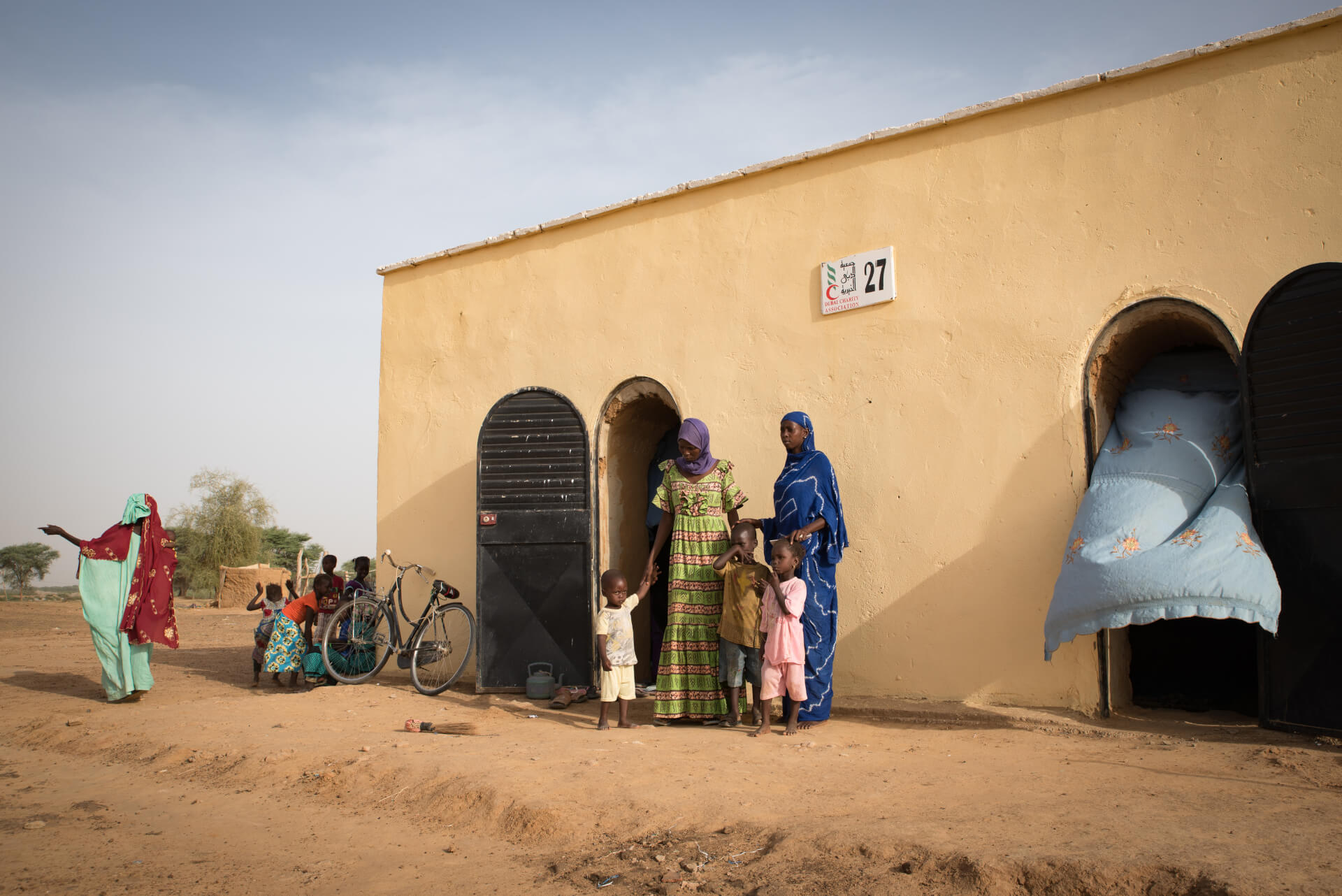
Local employment and training
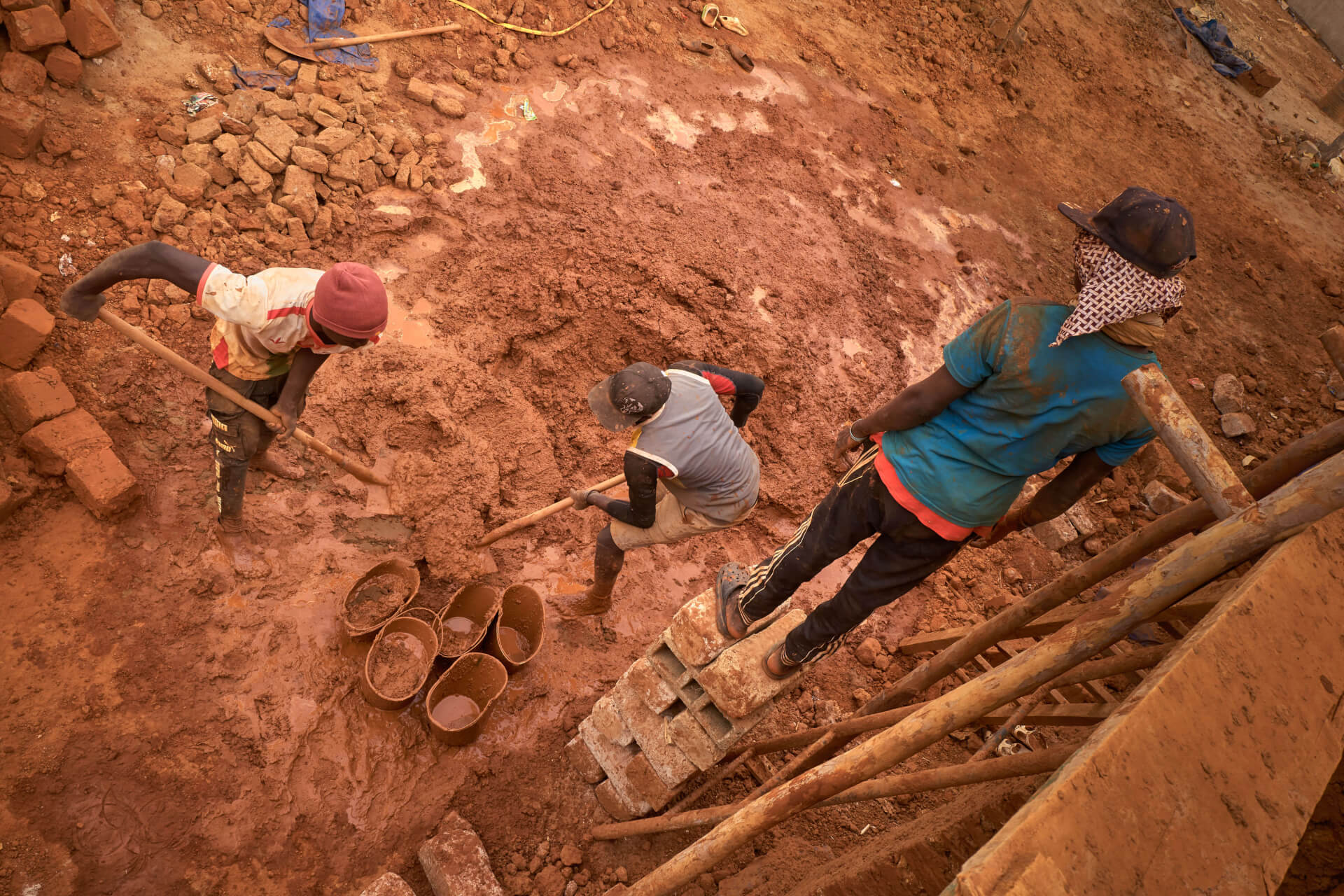
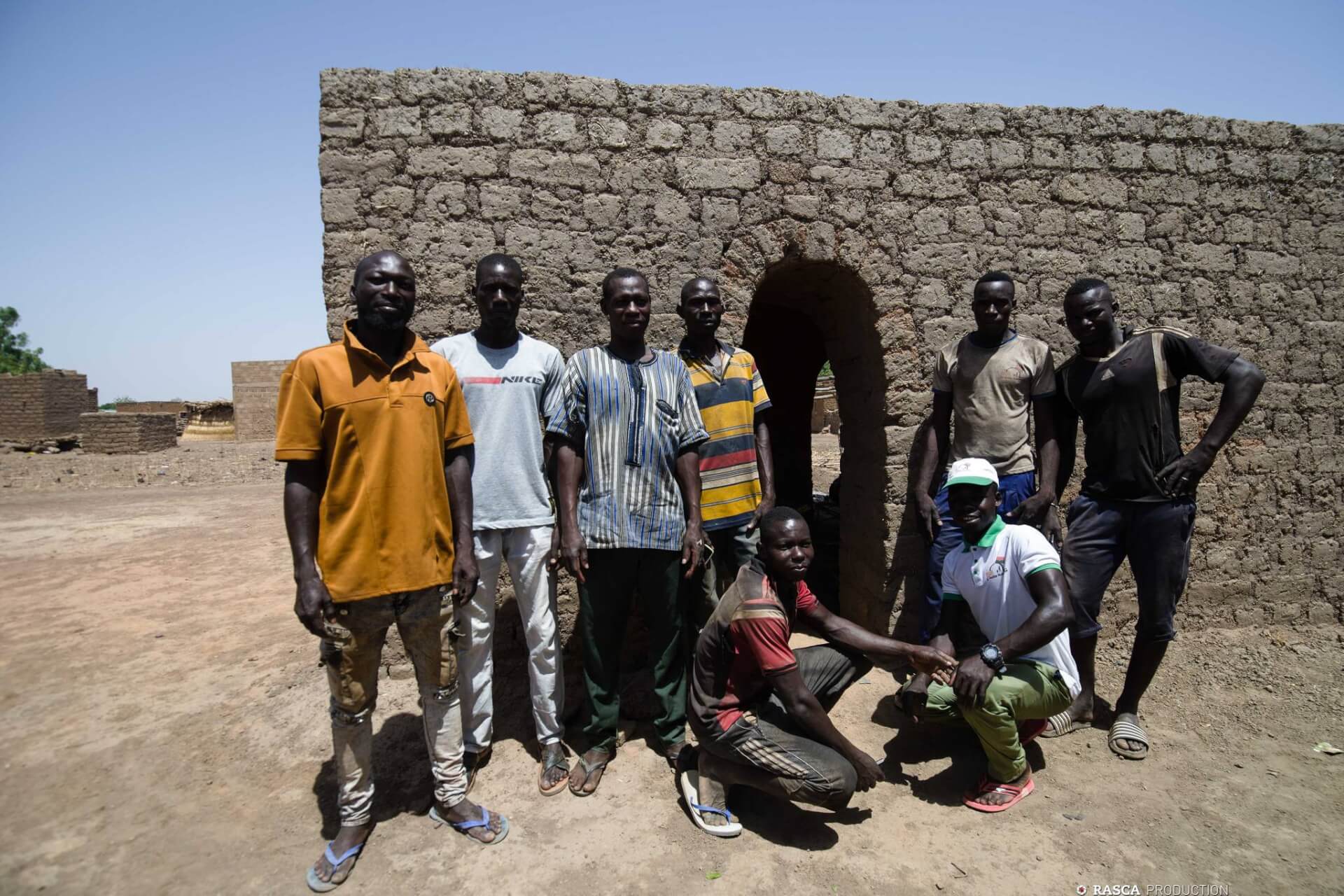
The NV construction sector is based on a High Intensity Labor Organization (HIMO) method, which promotes local employment, particularly for young people in rural areas. By training local masons and craftsmen, AVN enables these workers to develop a sustainable activity, particularly during the dry season, thus reducing the rural exodus and precarious work, such as gold panning. The technical and entrepreneurial training offered by AVN enables artisans to master a highly employable trade without requiring advanced literacy or numeracy skills. What's more, this approach stimulates local economies by reducing dependence on expensive imported materials.
Key figures
-
750 trained and certified masons.
-
Jobs created for young people, contributing to the economic stability of rural areas.
Environmental impact
Reduce CO2 emissions & use local materials
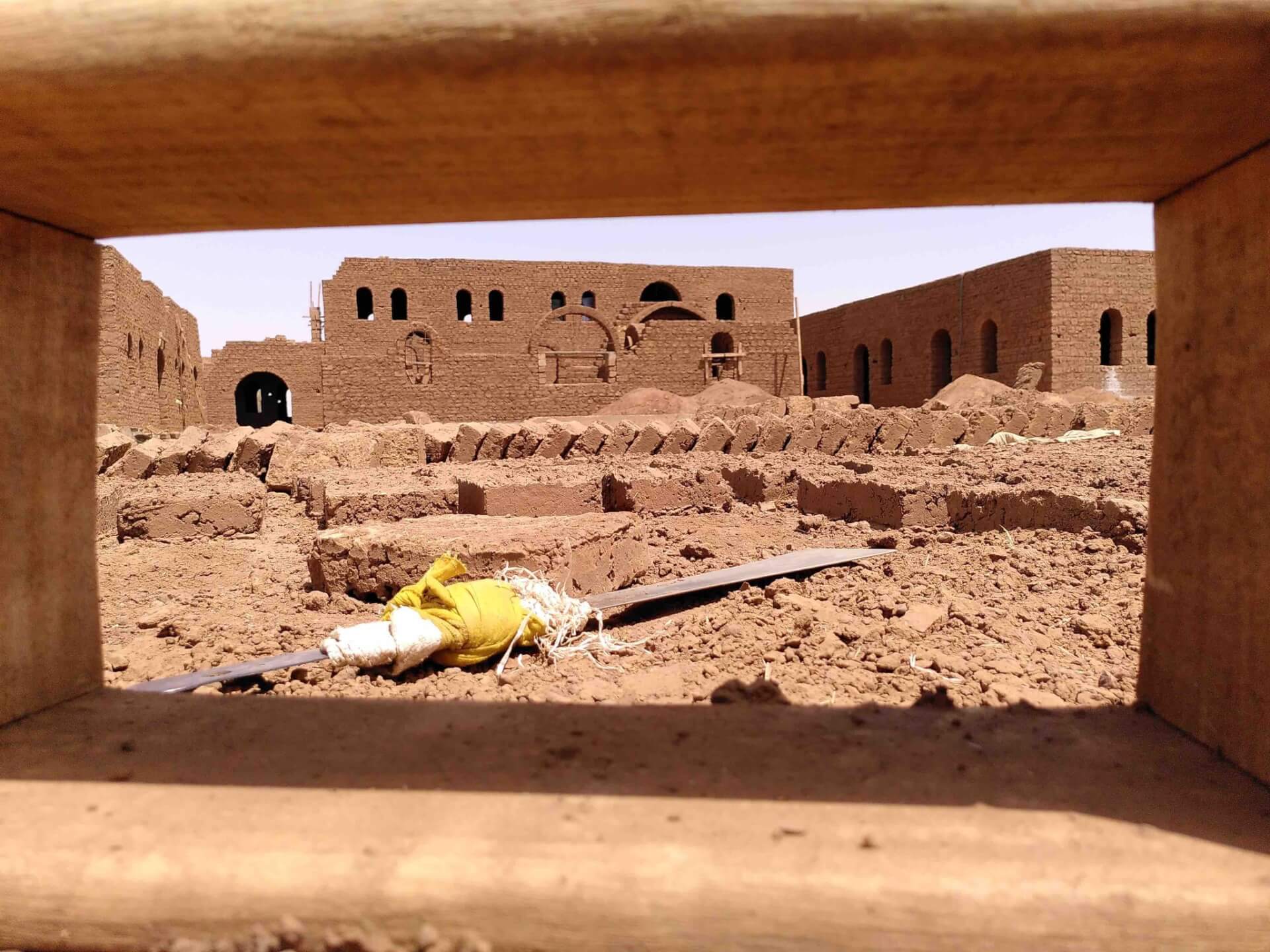
The NV technique is fully in line with an eco-construction approach. It uses local materials with a low carbon footprint (raw earth), thus limiting construction-related CO2 emissions. By using frugal, non-mechanized construction processes, AVN contributes to mitigating the impact of climate change. NV buildings offer passive thermal performance, eliminating the need for air conditioning and thus saving energy.
Key figures
-
173,000 tons of CO2 saved through the use of local materials.
-
Reduced demand for timber and sheet metal, thereby preserving forests and biodiversity.
Innovation & eco-construction
Technical advantages of Nubian vaulting
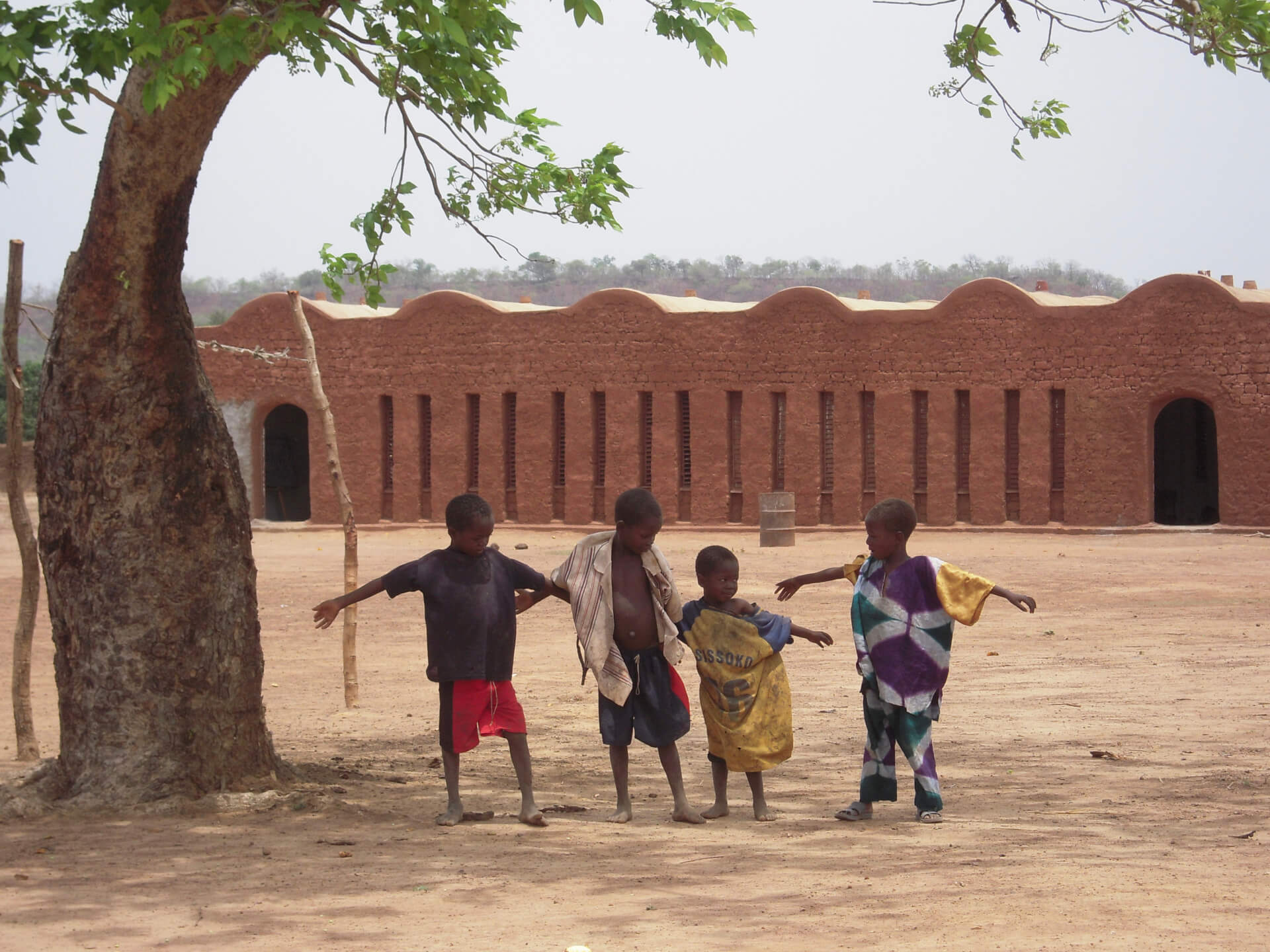
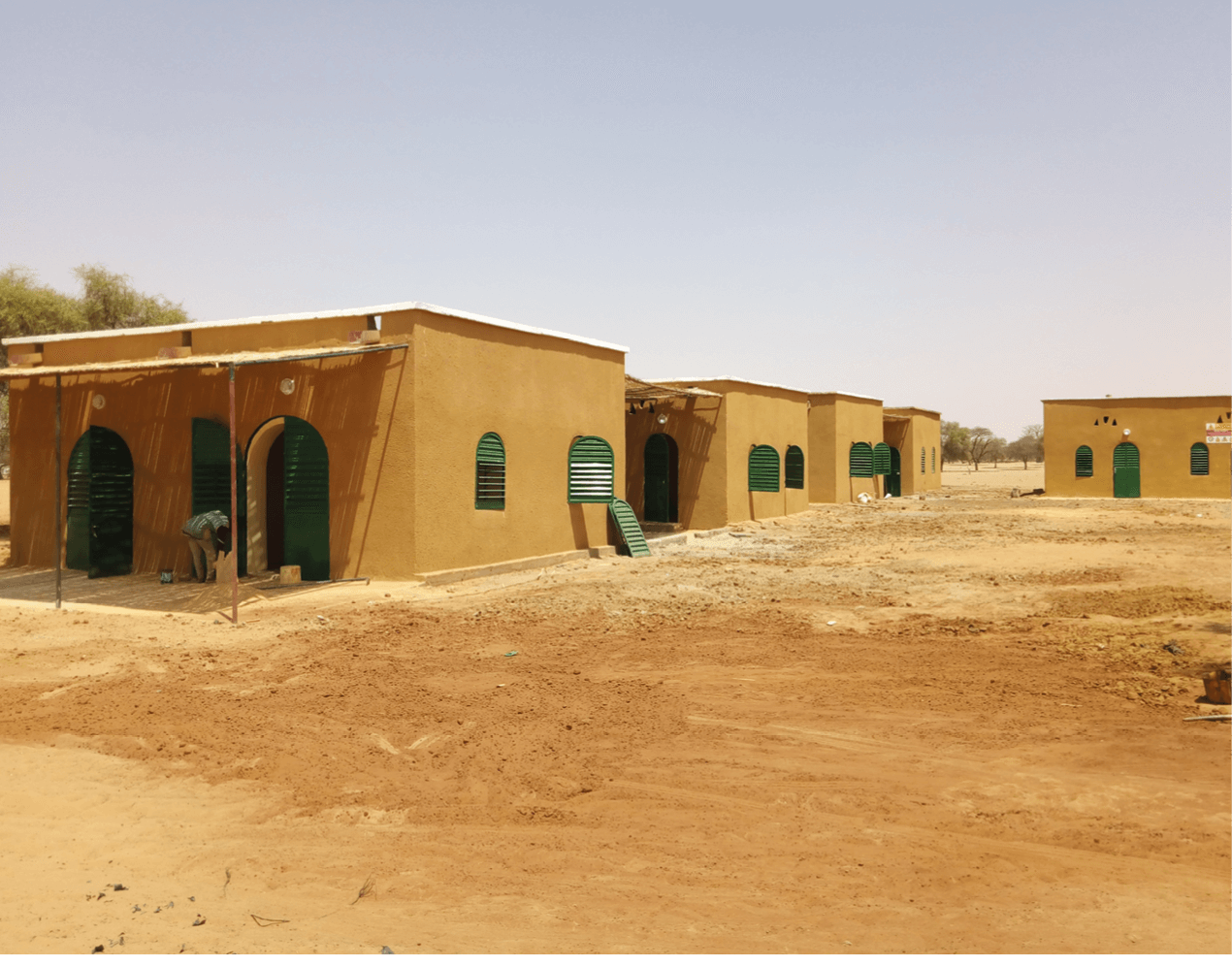
The Nubian Vault technique stands out for its many technical advantages and innovative potential in eco-construction. Designed with local materials and based on age-old know-how, it offers key advantages for meeting sustainable housing needs in Africa. Durability: NV buildings, with their thick walls and flat roofs, are extremely resistant to the harsh climatic conditions of the Sahel. If properly maintained, they can last for generations. What's more, the Nubain Vault concept is suitable for a wide range of uses, including private homes and community buildings (schools, health centers, farm buildings). It is also adaptable and modular, and can be expanded to meet future needs. By combining these 3 pillars - local employment, respect for the environment, and technical innovation - AVN contributes to sustainably transforming living conditions in Sahelian communities, while promoting architecture that respects local heritage and environment.
Key figures
-
Thermal and acoustic comfort: MV houses offer stable indoor temperatures without the need for air conditioning and provide superior acoustic comfort.
-
Cost savings: A NV house costs up to 60% less to build than conventional techniques, due to the use of local materials and the direct involvement of beneficiaries in the construction process.
AVN & THE SDGS
AVN promotes sustainable development through eco-construction training initiatives that fit perfectly with several Sustainable Development Goals (SDGs):
MDG 1: No poverty
AVN helps to reduce poverty by training local craftsmen in the Nubian Vault technique, thus creating sustainable jobs in rural Sahelian communities. The training offered is not limited to simple construction techniques, but also includes entrepreneurial skills. This enables the trained masons to launch their own businesses and generate regular income. What's more, as VN worksites are generally located in rural areas, this supports the local economy by mobilizing local resources and preventing rural exodus.
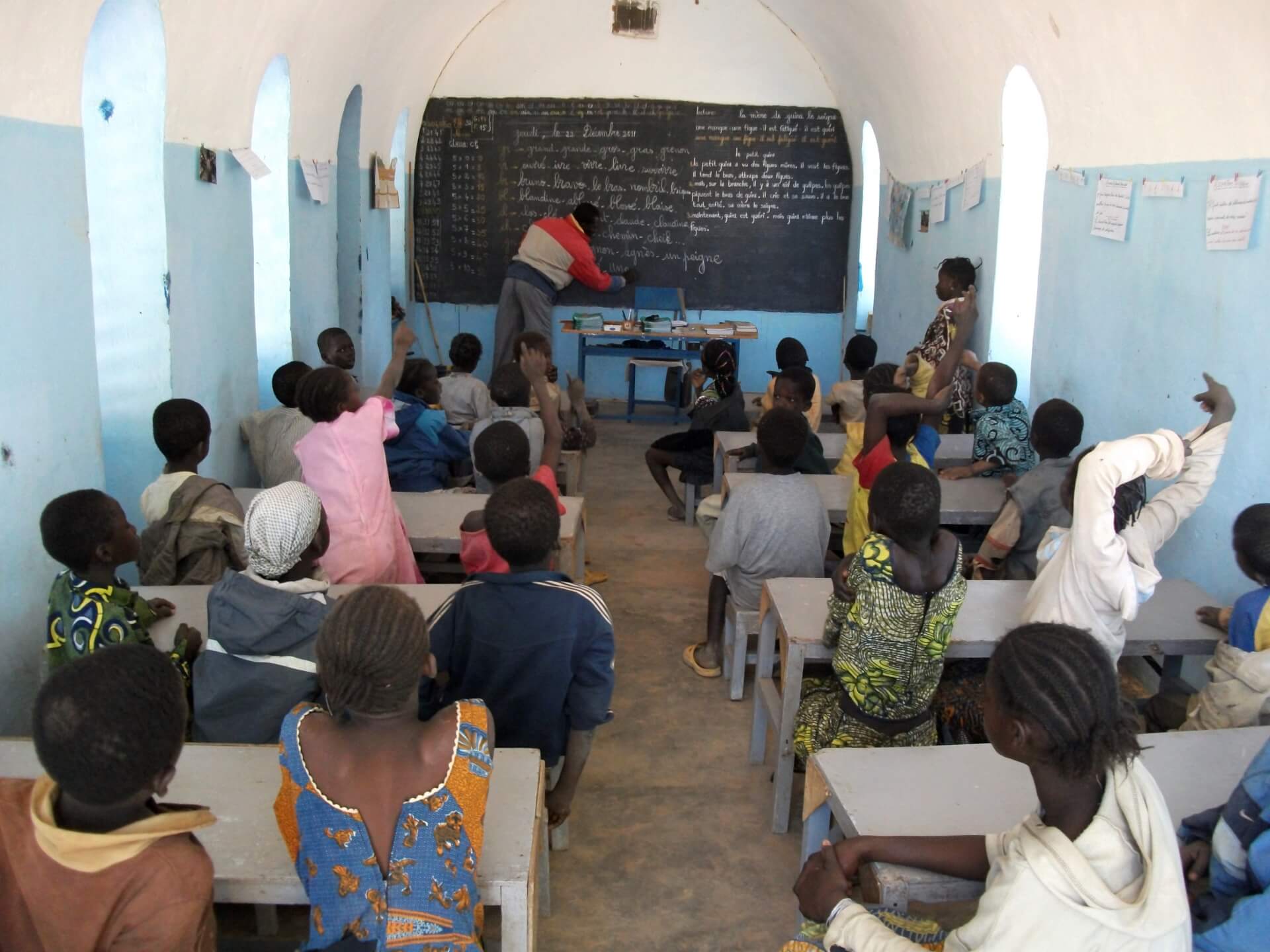
MDG 4: Quality education
The Nubian Vault technique is used to build educational infrastructures such as schools, training centers and classrooms. These buildings, built using local materials and adapted techniques, provide a comfortable and healthy learning environment, thus promoting schooling for children in rural areas. In addition, AVN integrates VN technology training into vocational education programs, creating educational pathways that lead directly to employment opportunities.
SDG 7: Clean and affordable energy
Although AVN's core business is not directly linked to energy production, Nubian Vault buildings contribute to this MDG by offering passive thermal comfort, reducing the need for energy-intensive air conditioning or heating. Raw earth constructions offer natural insulation, guaranteeing a more stable indoor temperature and reducing energy requirements for cooling or heating buildings.
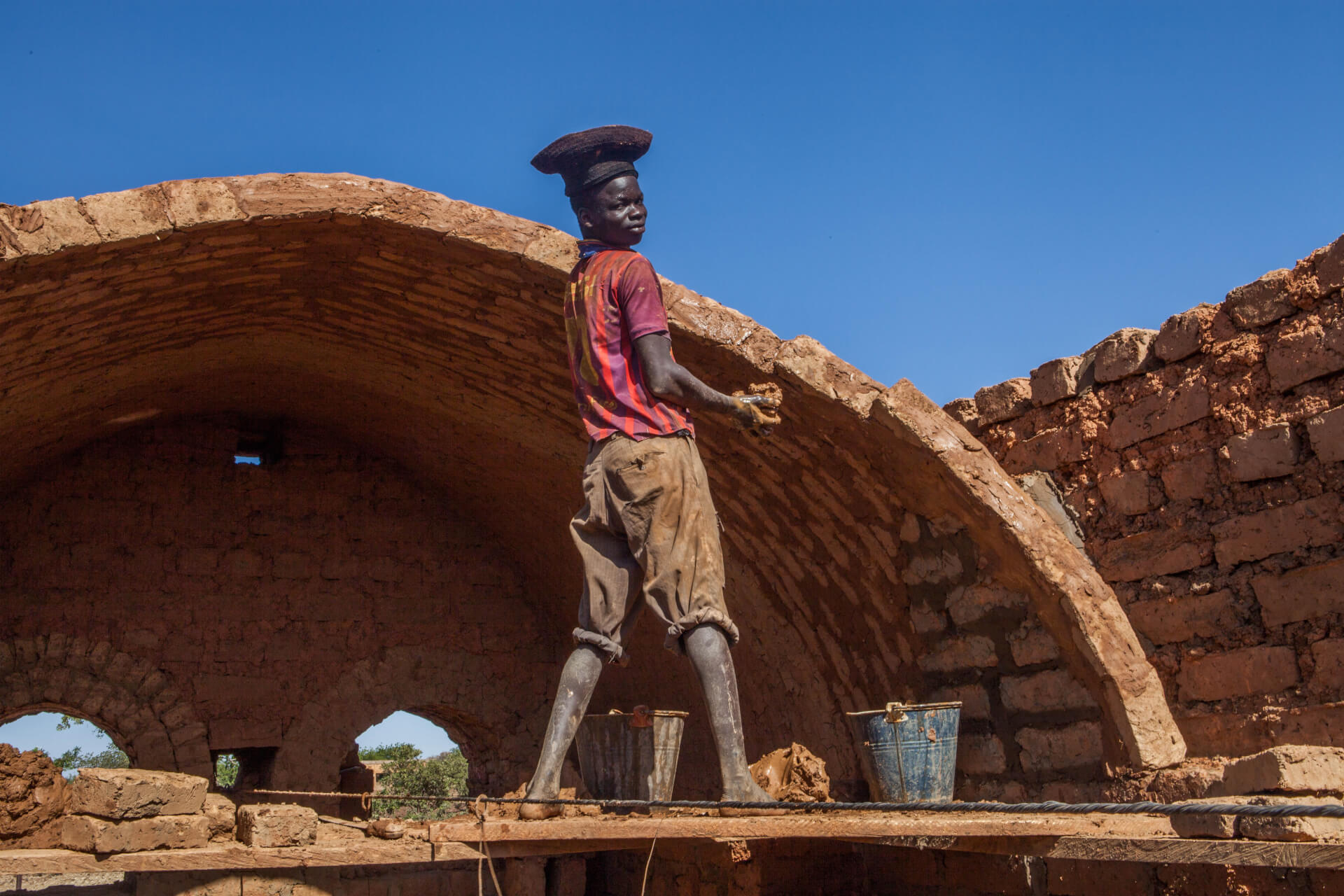
MDG 8: Decent work and economic growth
AVN's program creates green jobs in the sustainable construction sector. The training courses offered by AVN give local craftsmen the skills they need to become masons, trainers and even contractors. This approach supports economic growth by integrating young people and adults with few or no qualifications into the formal job market. By developing an eco-construction sector, AVN helps to create local markets and strengthen rural economies, while increasing the competitiveness of craftsmen through ongoing vocational training.
SDG 11: Sustainable cities and communities
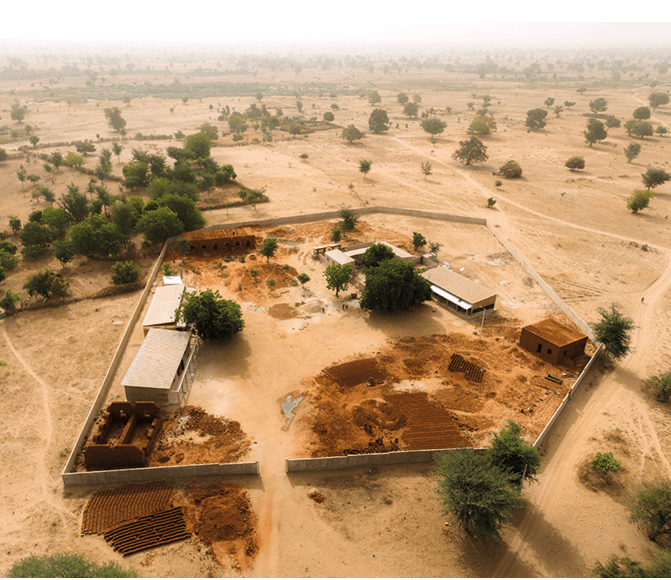
The Nubian Vault technique meets the need for sustainable, resilient housing. VN buildings, constructed using local materials such as raw earth, offer an affordable solution to the problem of poor housing in Sahelian Africa. The durability of these buildings means less frequent repairs and rebuilding, providing more stable and secure housing for communities. By using local resources, VN constructions also reduce dependence on imported materials, thus promoting a circular economy.
SDG 12: Responsible consumption and production
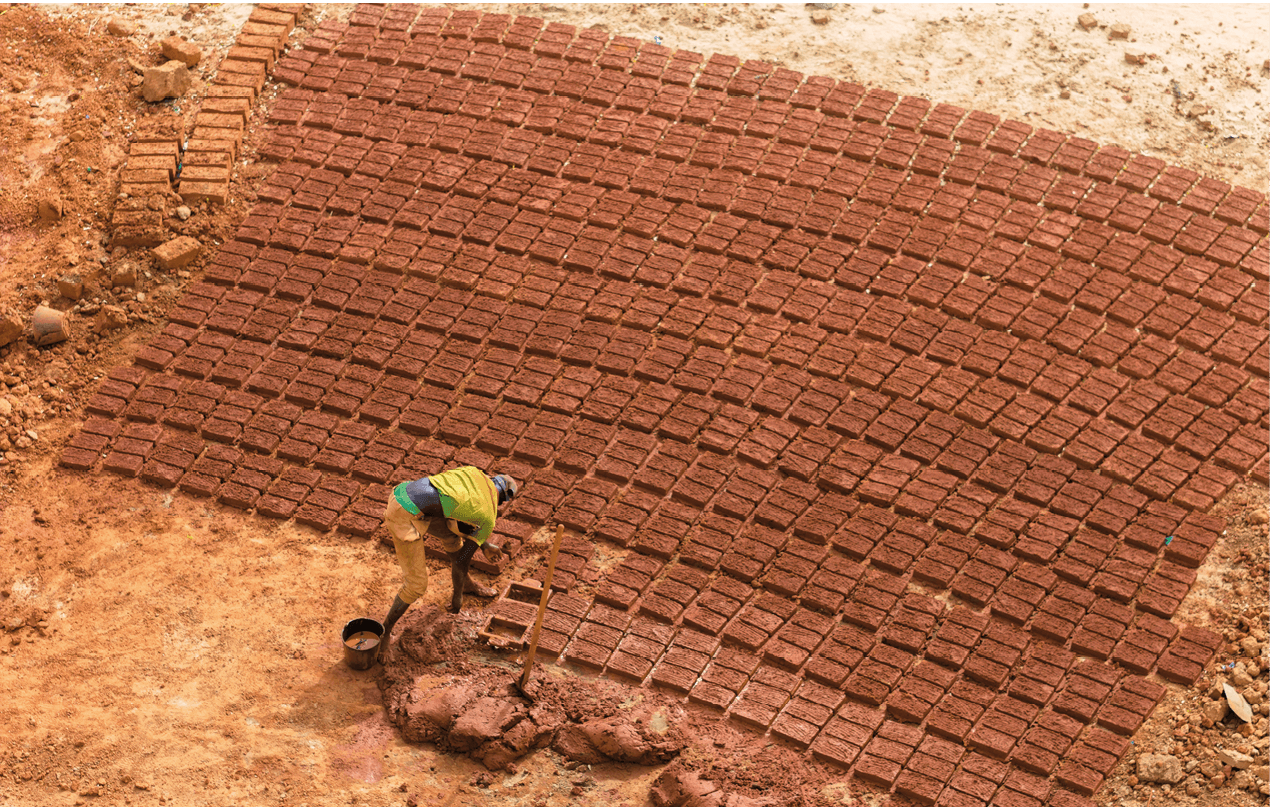
Nubian Vault buildings are constructed from local materials, mainly earth, which reduces the environmental impact of extracting, processing and transporting conventional building materials such as cement or wood. The VN technique also avoids the use of non-renewable, polluting materials such as concrete, thus reducing the ecological footprint of construction. In addition, wood-free construction contributes to the preservation of forests, a key element in the protection of biodiversity.
MDG 13: Combat climate change
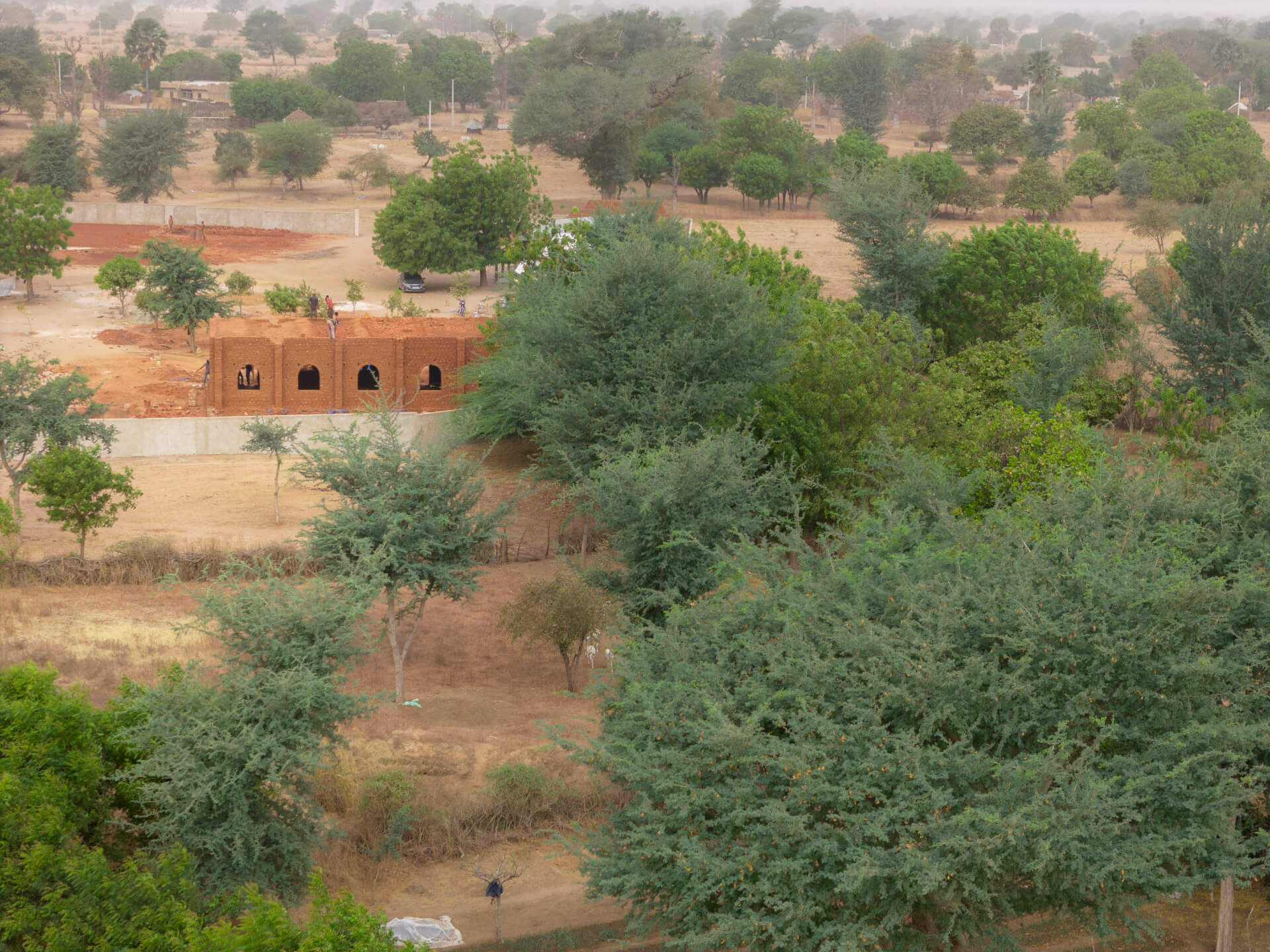
VN constructions contribute to climate change mitigation by reducing CO2 emissions associated with the construction sector. By using materials with a low carbon footprint, such as raw earth, and avoiding the use of energy-intensive materials like cement, the Nubian Vault technique helps limit greenhouse gas emissions. Since the start of the program, around 183,200 tonnes of CO2 equivalent have been saved thanks to VN constructions. What's more, VN constructions are particularly well-suited to Sahelian climatic conditions, offering greater resistance to climatic hazards such as high heat or violent winds, thus strengthening the adaptation of local communities.
ODD 17: Partnerships to achieve the goals
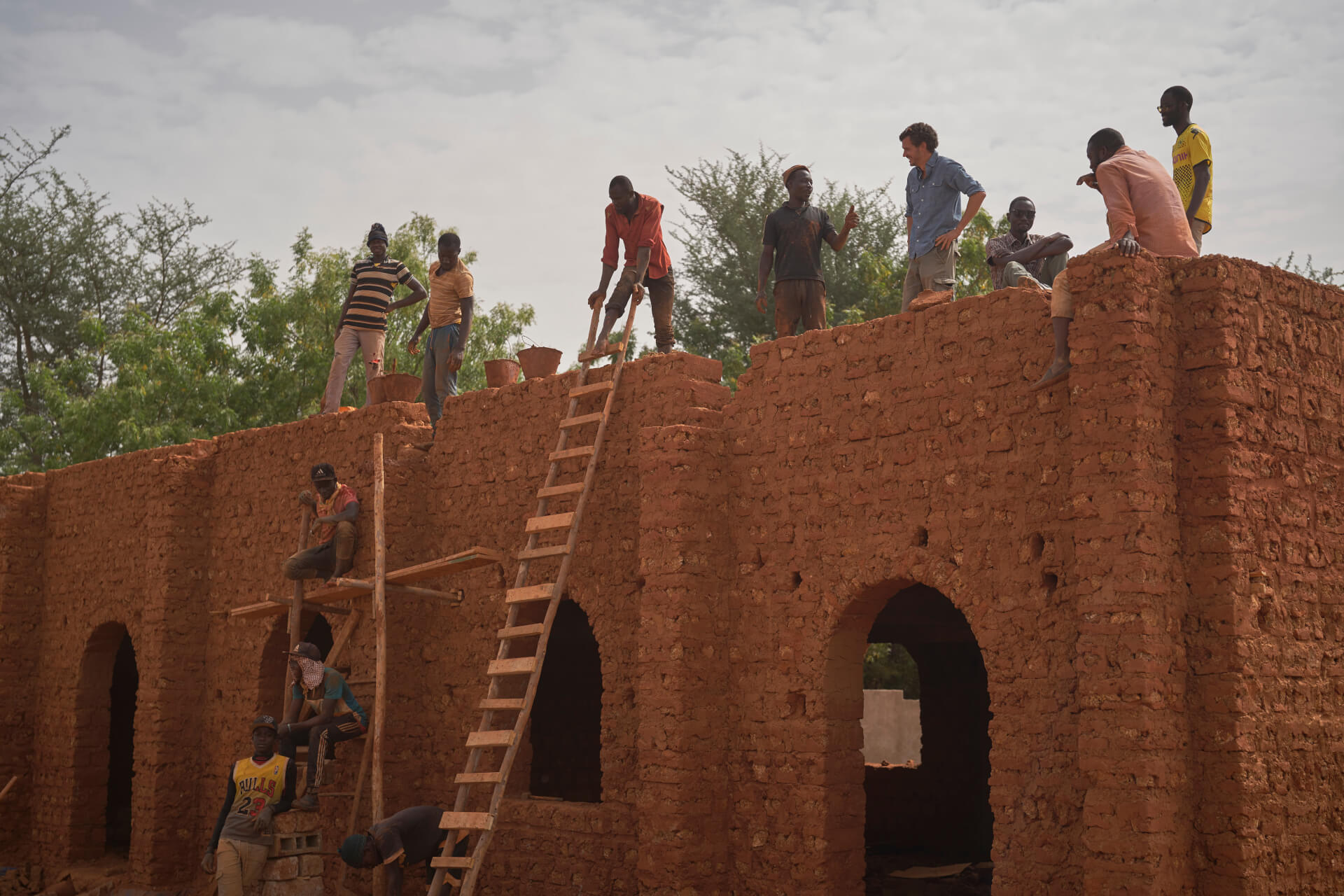
AVN works closely with various institutional, technical and financial partners to promote eco-building on a large scale. This includes collaborations with NGOs, microfinance institutions, governments, as well as international organizations such as Agence Française de Développement (AFD) and the United Nations Environment Programme (UNEP). These partnerships facilitate the integration of the Nubian Vault into public policy and support the development of eco-construction vocational training programs. AVN's approach is therefore based on a systemic vision that encompasses the economic, social and environmental dimensions of sustainable development. By promoting local employment, improving housing conditions and contributing to the fight against climate change, AVN demonstrates that an inclusive, local approach can generate sustainable impacts on a large scale. The Nubian Vault technique, as an eco-construction tool, represents a model of frugal and resilient innovation, responding to the socio-economic and environmental challenges of the Sahel and beyond.