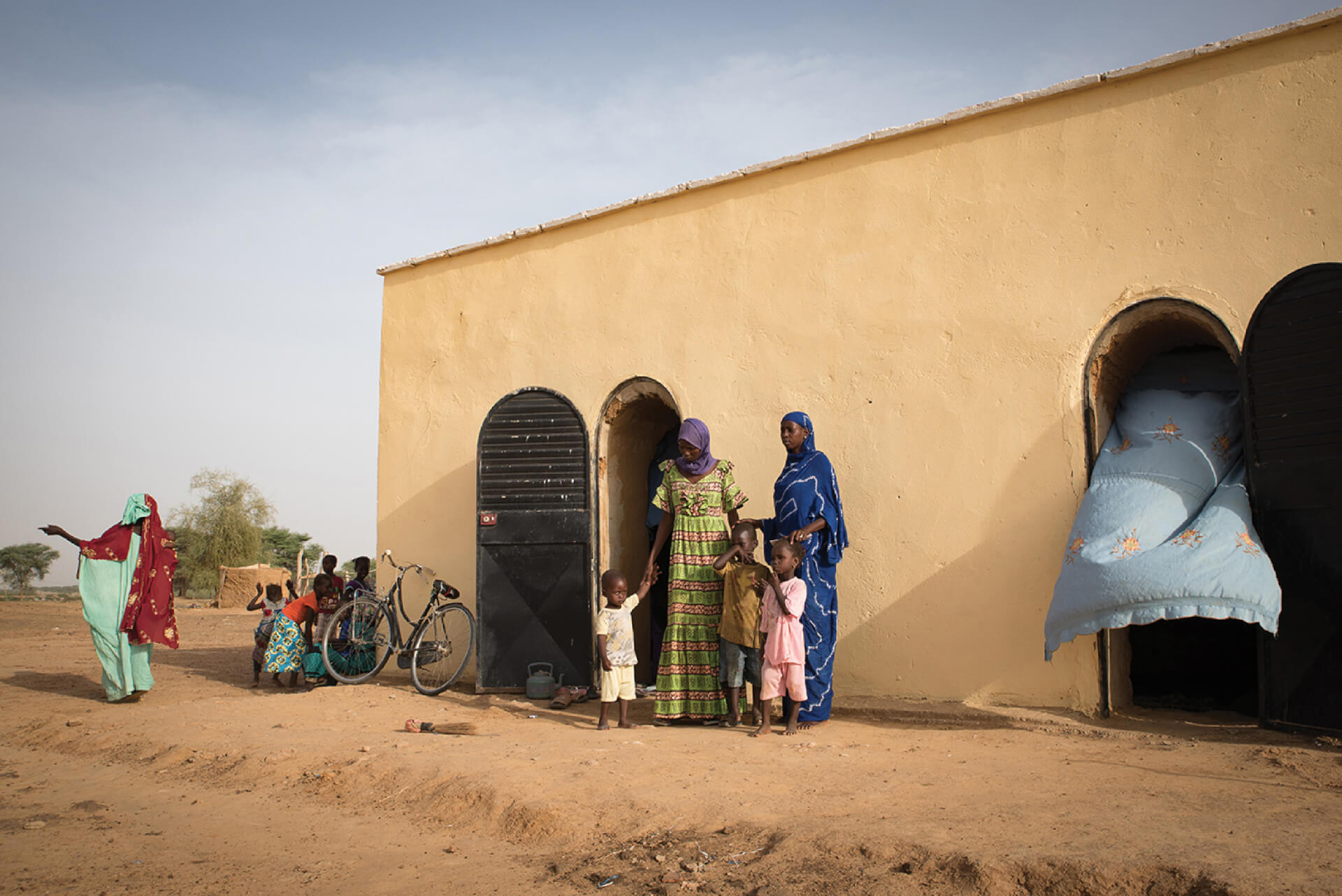
Access to suitable housing for as many people as possible
In Africa, access to decent housing remains a major challenge for millions of families, particularly in rural areas. In the absence of suitable solutions, they build with materials that are unsuitable for the climate, often expensive, imported, or in short supply (wood, sheet metal, cement). The result is precarious housing that is stifling in hot weather, vulnerable to bad weather, costly to maintain, and sometimes dangerous for its occupants. This precarious housing situation increases the overall vulnerability of families: it impacts their health, economic stability, and ability to cope with climatic and social shocks. AVN offers a concrete response to this emergency: making an appropriate, sustainable, and affordable architectural solution accessible through the large-scale dissemination of the Nubian Vault.
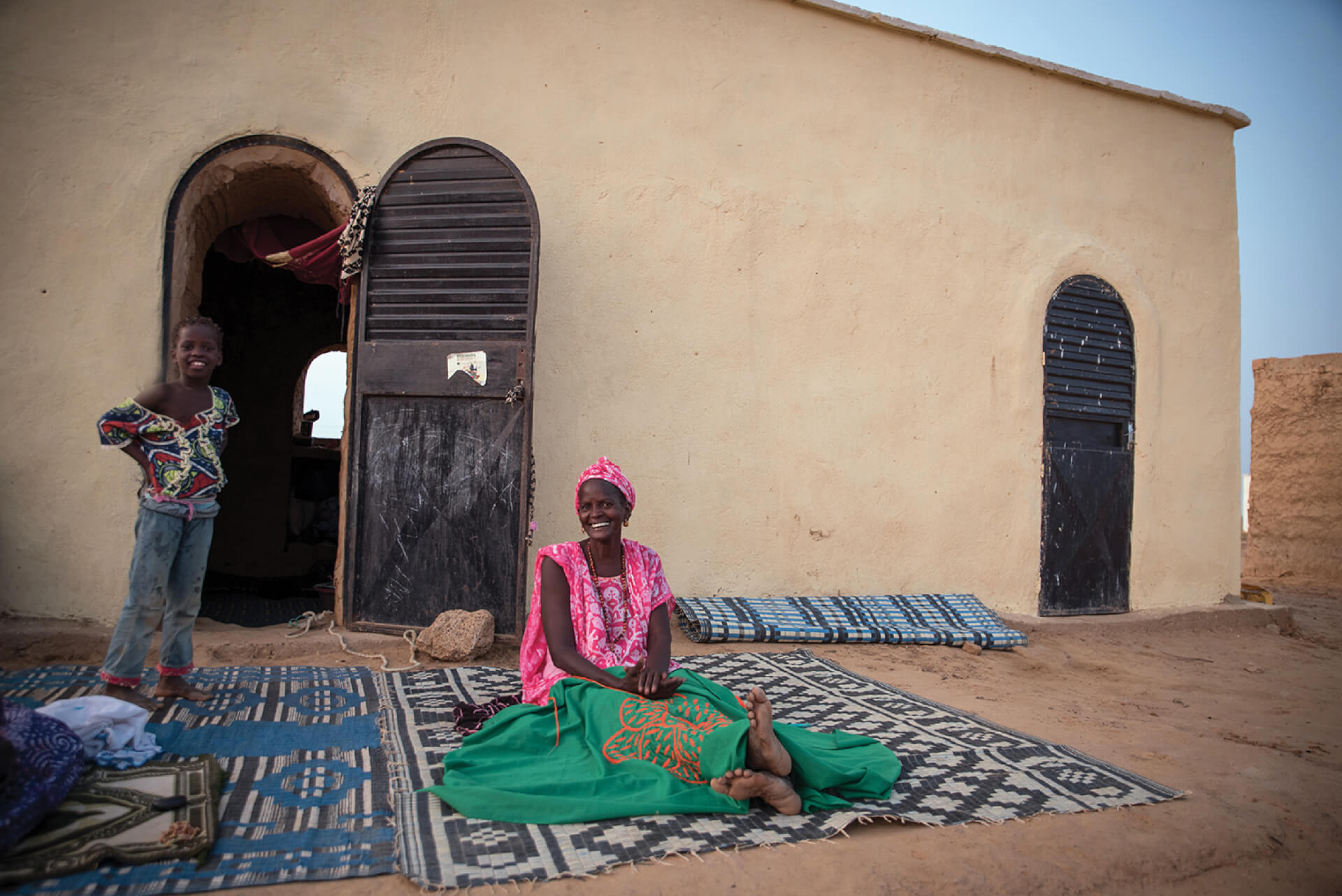
Decent, adapted and sustainable housing
The Nubian Vault is a traditional construction technique that has been revisited, using only locally available materials (earth, stone, water), without the use of wood, sheet metal, or cement. This solution makes it possible to build comfortable, solid, attractive homes that are resistant to weather and high temperatures. It relies on accessible skills, passed down locally, allowing families to build themselves or with locally trained craftsmen.
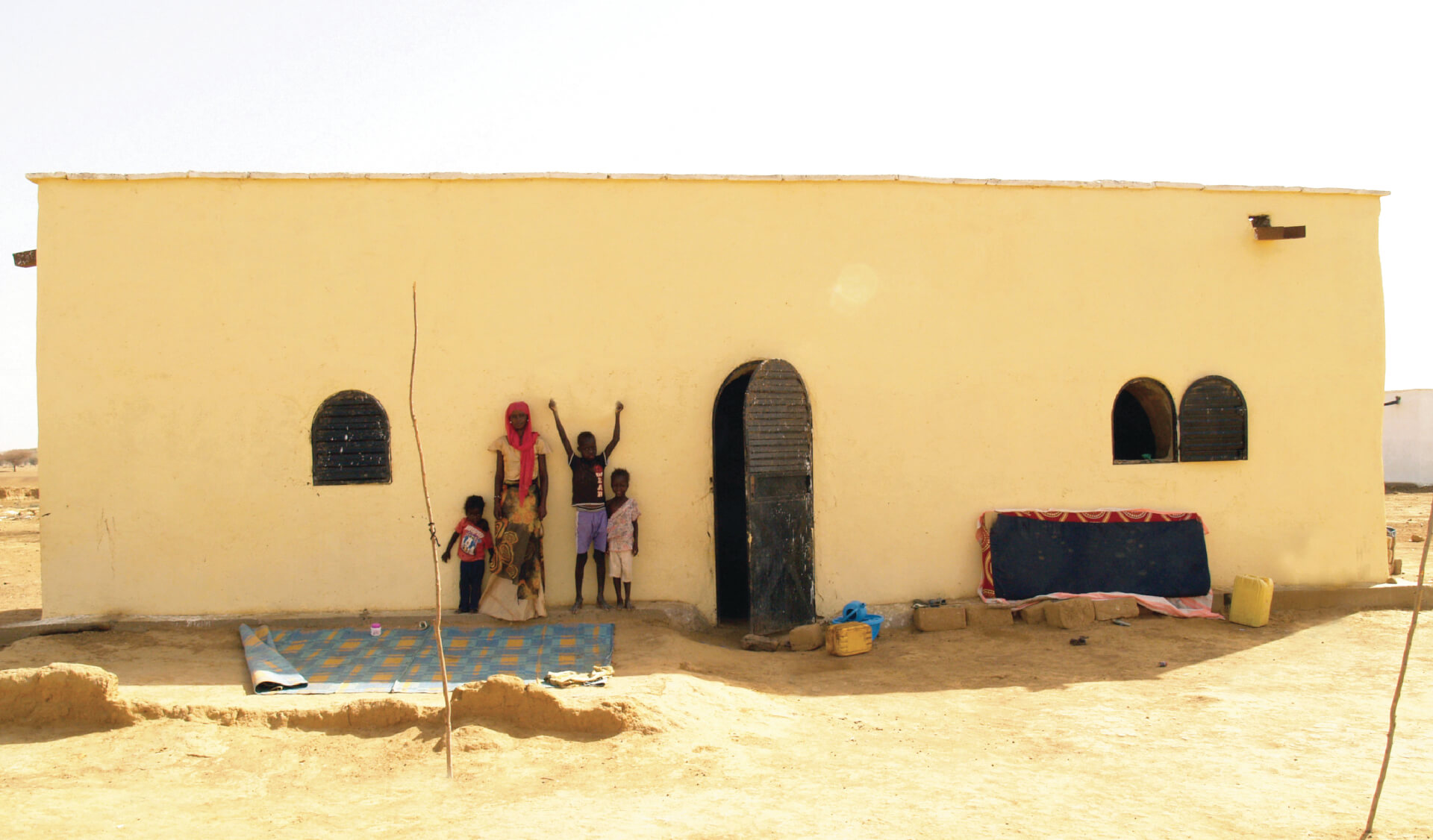
Removing obstacles to access to housing
To make this solution accessible to as many people as possible, AVN has developed a comprehensive program: training for local masons, targeted financial incentives for rural families, technical and educational support, and training sites where young apprentices can sometimes build their own homes. This inclusive approach guarantees both the quality of the buildings and the empowerment of the beneficiaries, while significantly reducing costs.
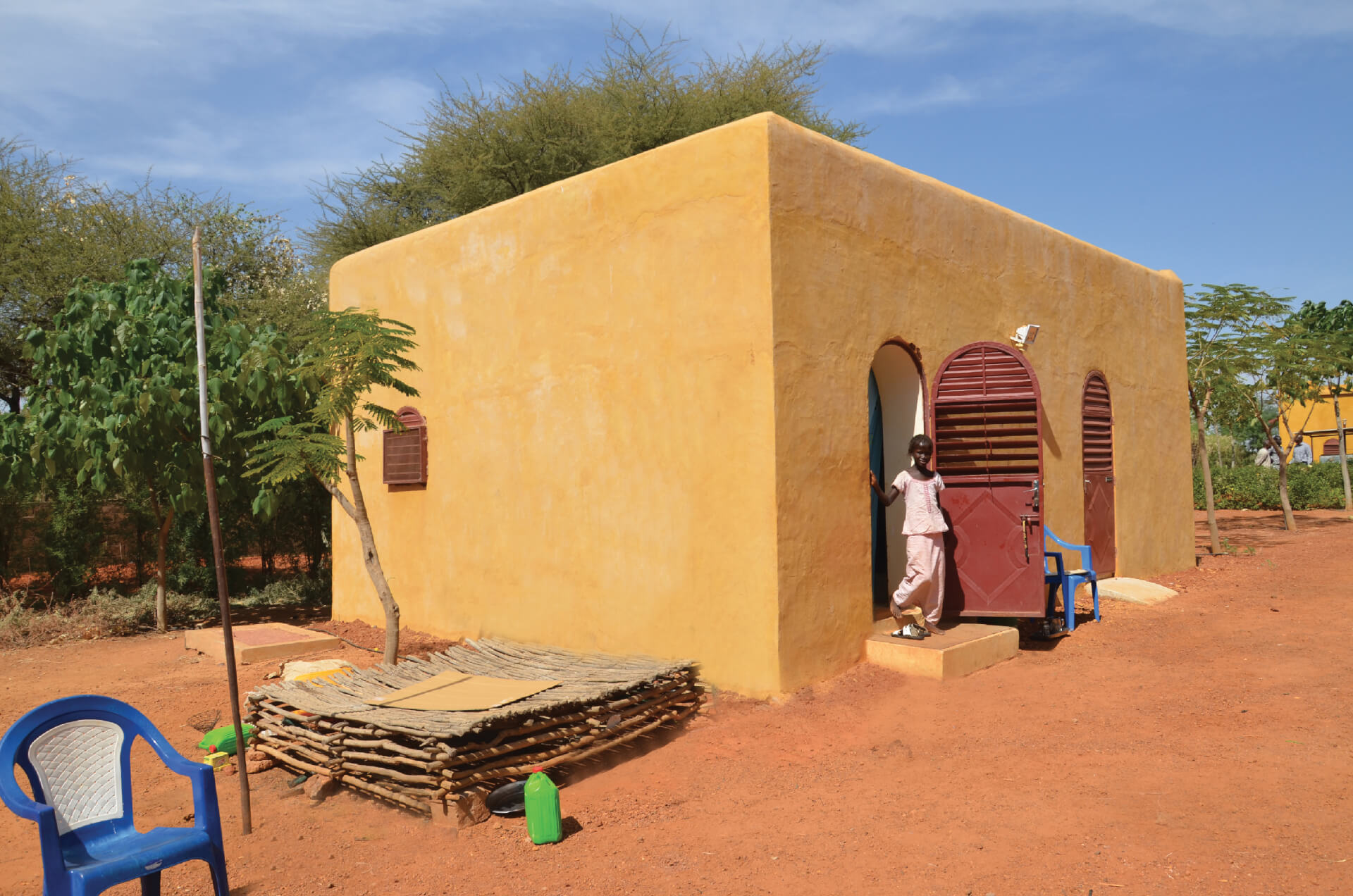
Transforming families' lives for good
Access to suitable housing changes everything. It provides families with a safe, stable, healthy place to live, improving their daily well-being and reducing maintenance and renovation costs. It enables children to learn in better conditions, women to develop income-generating activities from home, and all members of the household to live with greater dignity. Finally, it lays the foundations for lasting resilience in the face of crises, while promoting local resources and skills.